
NOAA – Despite the many lifestyle changes brought on by the COVID-19 pandemic, commercial fishermen are still out there making a living. Recreational anglers are still fishing, and more people are spending time outside and on the water. The Northeast Fisheries Science Center’s Cooperative Shark Tagging Program experienced increased interest this year from new volunteers, with more requests for tags from active taggers, and higher numbers of recaptures reported.
“The ocean wasn’t closed by the pandemic,” said Cami McCandless, a research fishery biologist and lead of the Apex Predators Program at the center’s Narragansett Laboratory in Rhode Island. “We started noticing an increase in tag requests and new volunteers in May, as the weather warmed and the pandemic wore on. People wanted to get outside. Volunteers from both commercial and recreational fisheries increased participation in our tagging program this year, leading to a 7 percent increase from 2019 in the number of requests for tags from May through September.”
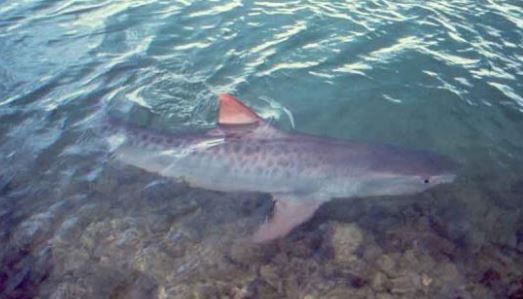
In addition, reports from commercial fishers and recreational anglers on recaptured sharks increased by 25 percent over last year based solely on email and online reporting. That’s an impressive increase considering the program’s website and online reporting forms had changed from a year ago.
The Cooperative Shark Tagging Program is the oldest citizen science program in NOAA Fisheries. It began in 1962 with fewer than 100 volunteer taggers. It is a collaborative effort between recreational anglers, the commercial fishing industry, and NOAA Fisheries to learn more about the life history of Atlantic sharks.
The program now includes thousands of participants throughout the North Atlantic Ocean, including the Gulf of Mexico and the Mediterranean Sea. They have tagged more than 300,000 sharks representing more than 50 species. More than 18,000 sharks have been recaptured, providing movement data on more than 30 species. These data have provided the basis for defining essential fish habitat for federally managed shark species in the Atlantic. New data from the program update these designations regularly. An atlas of tagging and recapture information from the Cooperative Shark Tagging Program was published in 2019.
“The original objective of this program was to document the distribution and movements of Atlantic sharks, while promoting conservation through catch and release,” McCandless noted. “However, given the long-term, continuous time series, this program has become instrumental in shaping not only what we know about shark migration and distribution, but in defining stock structure, documenting longevity, and validating age and growth in several species, all information essential for stock assessment and effective management.”
About the Author



Our current acting county treasurer, Kristin Willis, is far from “status quo”. She was appointed to the position because she…
In early October, Mayor Charney forwarded Kenneth Duffy’s letter about the quality of Cape Charles’ potable water to American Water.…
Mr Rayfield also stated that he would not surrender his real estate license is elected. He also mistakenly said that…
Down here in Capeville and Townsend some of the deer hunters, mostly from out of town, have a charming habit…
Over the years Eastville harvested Hundreds of Thousands of Dollar$ with their Highway Shakedown. The town council, employees and residents…