
With the rapid coming of the Pfizer Covid-19 vaccine, we decided take look at another government health project, the Tuskegee Syphilis Experiment.
Between 1932 and 1972, the United States Public Health Service studied number of African Americans with syphilis, analyzing the long term effects if left untreated.
The Tuskegee experiment began in 1932, at at a time when there was no known treatment for syphilis. After being recruited by the promise of free medical care, 600 men originally were enrolled in the project.
The participants were primarily sharecroppers, and many had never before visited a doctor. Doctors from the U.S. Public Health Service (PHS), which was running the study, informed the participants—399 men with latent syphilis and a control group of 201 others who were free of the disease—they were being treated for bad blood, a term commonly used in the area at the time to refer to a variety of ailments.
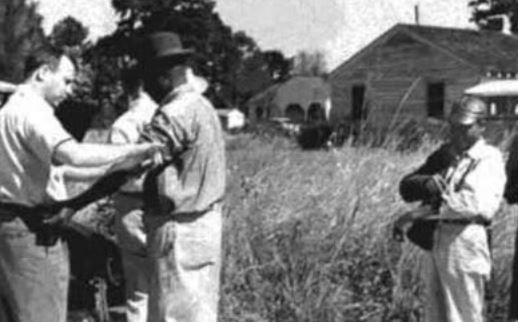
The men were monitored by health workers but only given placebos such as aspirin and mineral supplements, despite the fact penicillin became the recommended treatment for syphilis in 1947. PHS researchers convinced local physicians in Macon County not to treat the participants, and research was done at the Tuskegee Institute. (Now called Tuskegee University, the school was founded in 1881 with Booker T. Washington at its first teacher.)
In order to track the disease’s full progression, researchers provided no effective care as the men died, went blind or insane or experienced other severe health problems due to their untreated syphilis.
About the Author



Our current acting county treasurer, Kristin Willis, is far from “status quo”. She was appointed to the position because she…
In early October, Mayor Charney forwarded Kenneth Duffy’s letter about the quality of Cape Charles’ potable water to American Water.…
Mr Rayfield also stated that he would not surrender his real estate license is elected. He also mistakenly said that…
Down here in Capeville and Townsend some of the deer hunters, mostly from out of town, have a charming habit…
Over the years Eastville harvested Hundreds of Thousands of Dollar$ with their Highway Shakedown. The town council, employees and residents…